
Top Credit Card Issuers in the US
- Chase – Known for a broad lineup of cards with strong cash back and travel points, plus easy integration with the Chase Ultimate Rewards ecosystem popular with U.S. travelers.
- American Express – Famous for premium cards, top-tier customer service, and rich rewards on travel and dining, though acceptance can vary slightly.
- Capital One – Offers simple, transparent cash back and travel cards with competitive APRs and user-friendly digital tools.
- Discover – Well-liked for cash back cards, no annual fees on many products, and strong U.S.-based customer service.
1. Major Bank Credit Cards
Major U.S. banks like Chase, Bank of America, and Citi offer cards with wide acceptance, reliable fraud protection, and features such as cash back rewards, travel points, and 0% intro APR on purchases or balance transfers. These cards often integrate seamlessly with checking accounts, making payments and account management easy. The downside is that approval standards can be strict, and premium benefits usually require higher credit scores and sometimes annual fees.
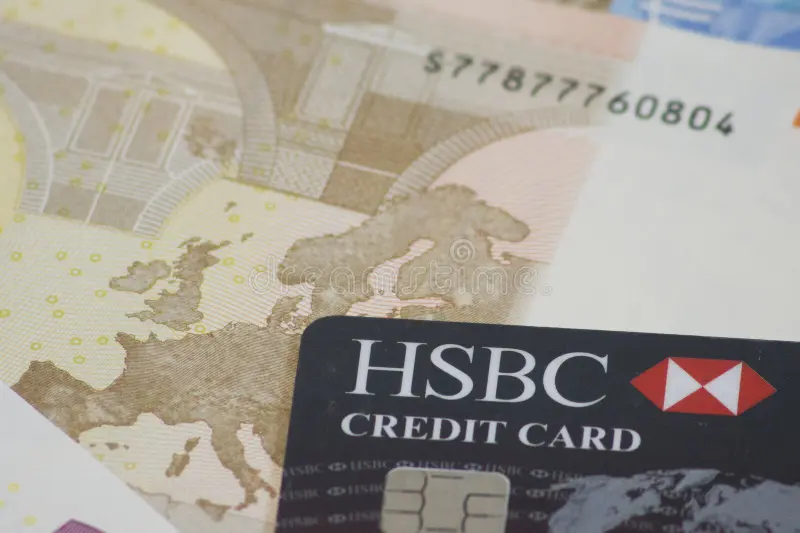
2. HSBC Premier Card
The HSBC Premier Card is designed for U.S. consumers who qualify for HSBC Premier banking and want a more international, relationship-based experience. It typically emphasizes competitive interest rates (APR), a straightforward rewards structure, and strong global customer service support. The application process is streamlined for existing Premier clients, and benefits may include travel-friendly features, purchase protection, and no foreign transaction fees—valuable for U.S. cardholders who travel or shop internationally. It’s best suited for financially established consumers focused on long-term value rather than flashy bonuses.
3. Fintech or Online-Only Credit Card Issuers
Fintech issuers like SoFi or Upgrade focus on digital-first experiences, fast approvals, and transparent pricing. Many offer flat-rate cash back rewards, budgeting tools, and competitive APRs. While convenient, these cards may lack premium perks like travel insurance or extensive customer support, which some U.S. consumers still prefer from traditional banks.
4. Secured Credit Cards for Building Credit
Secured credit cards require a refundable cash deposit and are commonly used in the U.S. to build or rebuild a FICO score. They report to major credit bureaus and help establish payment history and credit utilization habits. The trade-off is fewer rewards and lower credit limits, but they’re effective stepping stones to unsecured cards.
5. Retail Store Credit Cards
Retail or store cards offer discounts or special financing at specific U.S. merchants, but they often come with high APRs and limited usability. While tempting at checkout, they can hurt your credit utilization and cost more in interest if balances aren’t paid quickly—use with caution.
How Credit Cards Impact Your Finances and Credit Score in the US
In the U.S., credit cards directly influence your FICO score, with credit utilization ratio—how much of your available credit you use—being a major factor. Paying balances on time builds positive credit history, while carrying high balances leads to costly compound interest. Responsible card use also affects your debt-to-income (DTI) ratio, which lenders review when considering mortgage approval odds. Balance transfers can help manage debt strategically, but only with disciplined repayment. Card perks like purchase protection or rental car insurance add real value when understood and used correctly. Be mindful that multiple hard inquiries in a short time can temporarily lower your score. Always read the cardholder agreement, avoid high-interest debt, and pay your balance in full whenever possible.

 Santander Everyday Long Term Credit Card: Long-Term Value with Everyday Flexibility <p class='sec-title' style='line-height: normal; font-weight: normal;font-size: 16px !important; text-align: left;margin-top: 8px;margin-bottom: 0px !important;'>Learn how the Santander Everyday Long Term Credit Card offers competitive APRs, simple cash back rewards, and financial flexibility tailored for U.S. consumers.</p>